Tesla pushes back self-driving release again
Tesla now says owners can put their cars to work as driverless taxis starting in the second quarter of 2027, but only in specific service zones.
By William Parker ·
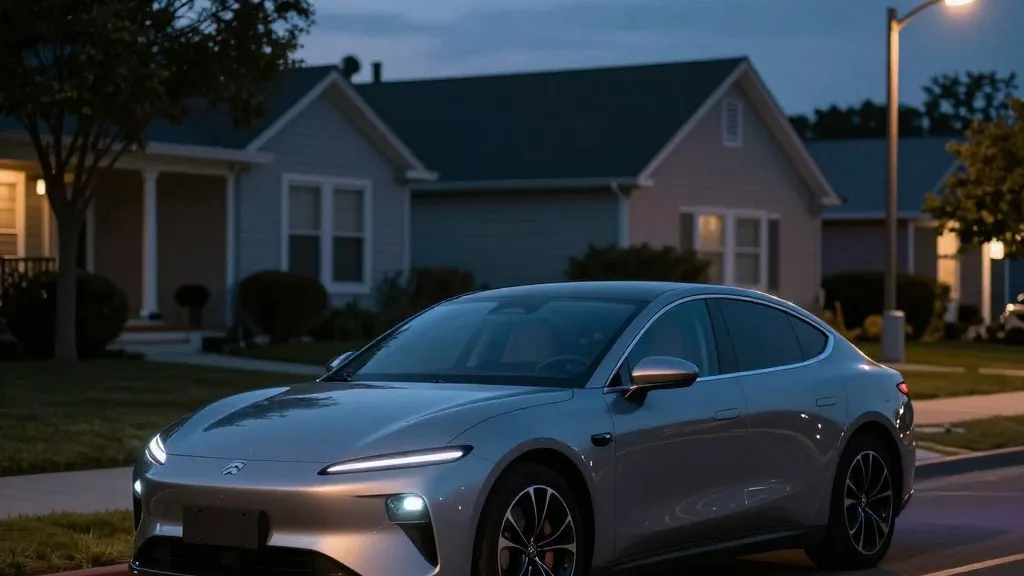
Tesla has moved the timeline for enabling self-driving capabilities in customer-owned vehicles to the second quarter of 2027. This schedule was shared during the company's quarterly earnings call on October 21, 2026. The company's AI chief, Ashok Elluswamy, responded to a question submitted by shareholders regarding when unsupervised driving would be available for personal vehicles.
However, the upcoming feature does not match the original vision sold to buyers starting in 2016. In the past, the company promised a car that could drive a passenger to any destination without assistance. The planned 2027 release focuses instead on allowing owners to add their vehicles to the company's managed taxi network. In this setup, the company controls the operation of the car.
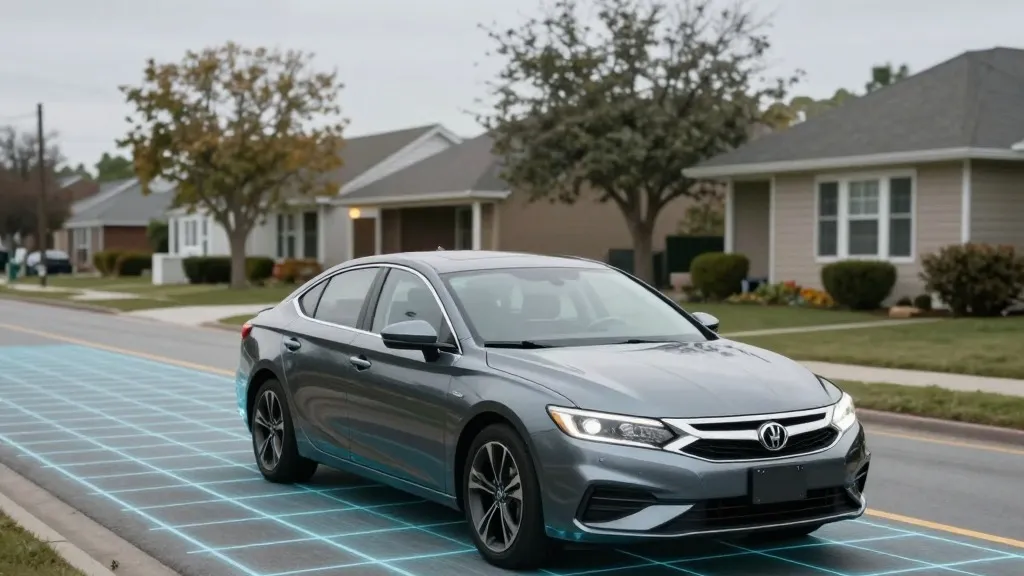
Because of this arrangement, a vehicle would only drive itself without a person in the driver's seat within areas where the company's taxi service is active. These areas are currently very limited. The service operates in six US metros, but the mapped zones cover only small sections of those cities. For instance, the Miami zone includes West Miami and parts of nearby Doral and Sweetwater. The service also restricts itself to low-speed routes and avoids highways. In California, the system cannot operate without a driver because the company has not shared required data with the California DMV.
The fleet of autonomous cars is also small. By the end of the third quarter of 2026, the company reported nearly 2 million cumulative unsupervised miles. While the company has set a new date for 2027, it previously missed other targets. For example, in July 2025, the company stated that unsupervised driving would be available for personal use by the end of that year in certain geographies. Additionally, owners of vehicles with older computers have been told their hardware cannot run the software at all.
The company has not confirmed if it will meet the new date. The AI chief stated that safety remains the main issue, which is why the service avoids highways and difficult road conditions. He believes these safety issues will be resolved by next year, but he does not know for sure. Consequently, a car would not be able to drive a user on a highway trip or an unsupervised commute unless they live and work inside one of the specific service zones.
Source: Electrek